How Many Knives Do You Really Need in a Kitchen?
Most home cooks need 2 or 3 kitchen knives: a chef's knife for daily prep, with a bread knife and paring knife added for tasks they do often. Start with the chef's knife and add only what fills a real gap.
On this page (6 sections)
Most home cooks need 2 or 3 kitchen knives: a chef's knife for daily prep, with a bread knife and paring knife added for tasks they do often. Start with the chef's knife and add only what fills a real gap.
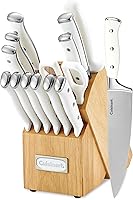
A full block can look useful, but several pieces may duplicate jobs you already cover. The right number depends on what you cook, how you store knives, and whether you handle bread or small detail work regularly.
How many knives do you need for everyday cooking?
One chef's knife is enough to start; 2 or 3 knives cover more everyday tasks. A chef's knife handles much of the chopping, slicing, and dicing that comes with meal prep.
A bread knife adds a serrated edge for crusty loaves and soft centers. A paring knife gives you a smaller blade for close, careful cuts on small foods.
If you rarely bake bread or do detailed prep, you may not need both. Our knife basics guide explains common knife types and what each one is meant to do.
The Victorinox Fibrox Pro 8-Inch Chef's Knife has an 8-inch stainless steel blade and a thermoplastic elastomer handle designed for a non-slip grip, even when wet. It is dishwasher safe and suits a range of prep jobs.
Which knife should you buy first?
Buy a chef's knife first if you want one tool for the most common prep tasks. Look for a blade length you can manage and a handle that feels secure in your grip.
The Victorinox Fibrox Pro 8-Inch Chef's Knife is designed for chopping, mincing, slicing, and dicing. Its ergonomic handle is made from thermoplastic elastomer, and the knife is dishwasher safe.
For help comparing blade length, steel, and handle shape, read how to choose a chef knife. If you're weighing a set against a few individual pieces, see our knife set vs individual knives guide.
When is a bread knife worth adding?
Add a bread knife if you often cut crusty bread, sandwiches, or other foods that benefit from a serrated edge. Its teeth can cut a firm exterior without pressing down as hard on a tender inside.
The Victorinox Fibrox 10.25-Inch Bread Knife has a 10.25-inch stainless steel serrated blade and a textured handle with a non-slip grip. Victorinox recommends hand washing it.
If you only buy sliced bread or rarely cut loaves at home, skip it for now. You can add one later when the task becomes a regular part of your cooking.
Do you need a paring knife too?
A paring knife helps with small, precise tasks that feel awkward with a larger blade. It can suit trimming small foods, making garnishes, and other close cuts.
The Mercer Renaissance 3.5-Inch Paring Knife is forged, with a triple-riveted ergonomic handle and a rounded spine. Mercer recommends washing it by hand with warm water and mild soap, then rinsing and drying it.
Skip the paring knife if you rarely do detailed prep or already have a small knife that works for you. A second knife only earns its space when you reach for it.
Should you buy a knife set or individual knives?
Choose individual knives when you know which jobs you need covered. A set can make sense if its useful pieces match your cooking habits and you have room to store them.
Some sets include knives for tasks you may not do often, so check every piece before buying. The kitchen knife set buying guide can help you compare set sizes and features.
Think about storage, too. Knives need a safe place where the blades won't bump into other tools or get left loose in a drawer.
Which knives do you actually need?
For most kitchens, start with a chef's knife and add a bread knife or paring knife only when you have a regular use for it. That gives you a simple 1-to-3-knife setup without buying pieces to fill a block.
Choose the chef's knife for broad everyday prep, the bread knife for frequent crusty loaves, and the paring knife for small, careful cuts. For more help choosing knife types, return to the knife basics guide.
Frequently asked questions
How many knives do most home cooks need?
Most home cooks can handle everyday prep with a chef's knife, then add a bread knife or paring knife if their regular tasks call for one. A 2- or 3-knife setup covers common jobs without filling a block with tools you rarely use.
Is a chef's knife enough for a home kitchen?
A chef's knife can handle many everyday jobs, including chopping, mincing, slicing, and dicing. It won't replace a serrated bread knife for cutting crusty loaves cleanly, or a small paring knife for detailed work, so add either if those tasks come up often.
Do you need a full knife set?
No, you don't need a full knife set if a few knives cover the food you prepare. Start with the chef's knife you will reach for most, then compare the cost, storage space, and useful pieces in a set against buying individual knives.
What is the best first kitchen knife to buy?
A chef's knife is a practical first choice because it covers a wide range of everyday prep, from chopping to slicing. Choose a size and handle that feel manageable to you, and consider how you'll store and maintain it before adding specialty knives.