Knife Set vs Individual Knives: Which Is Smarter? (October 2026)
Choose individual knives if you want only the tools you use; choose a set if you want several coordinated pieces at once. Match the choice to your cooking, storage space and need for steak knives or shears.
On this page (10 sections)
- Knife set vs individual knives: what changes?
- How many pieces will you actually use?
- Which knife should you buy first?
- Does a block set fit your kitchen?
- How do setup and care differ?
- What mistakes should you avoid?
- When does a knife set make the smarter buy?
- When should you buy individual knives?
- Which products fit each buying approach?
- What is the smarter choice for your kitchen?
Choose individual knives if you want only the tools you use; choose a set if you want several coordinated pieces at once. In the knife set vs individual knives decision, your cooking habits, storage space and need for steak knives or kitchen shears matter more than the piece count.
A chef's knife handles many everyday prep tasks, while a set can add a slicing knife, utility knife, steak knives and a block together. Buying individually gives you control over each choice; buying a set gives you a ready-made group.
If you're outfitting a kitchen, start by listing what you cook and what knives you already own. That simple check helps prevent duplicates and keeps you from paying attention to the piece count instead of the useful pieces.

Knife set vs individual knives: what changes?
A knife set bundles tools, while individual buying lets you choose a knife for each job. Compare what you will use, what you already own and where the knives will live.
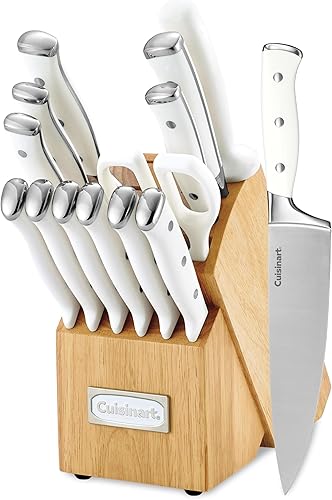
The Cuisinart 15-piece set includes an 8-inch chef's knife, an 8-inch slicing knife, a 7-inch santoku, utility and paring knives, 6 steak knives, an 8-inch sharpening steel, shears and a wooden block. It covers several kitchen and serving tasks in one coordinated group.
The Victorinox Fibrox Pro chef's knife is a single 8-inch stainless steel knife with a non-slip TPE handle. It leaves you free to choose your other knives later, but it doesn't include a bread knife or storage.
These formats suit different starting points. A set is useful when several of its pieces fill gaps at once; a single knife makes sense when you want one dependable role covered before deciding what comes next.
Which approach fits your current knife drawer?
If you already own a chef's knife you like, buying a missing tool can be more useful than adding another group. A serrated bread knife, for example, fills a clear role beside a knife you already reach for.
If your drawer is nearly empty, a set can bring several shapes together. Our plain-English kitchen knife set buying guide explains what to check in a bundle.
How many pieces will you actually use?
Buy a set when its main pieces match meals you prepare; buy knives individually when several set pieces would sit unused. A large piece count has little value if the shapes don't fit your routine.
Think about a typical week rather than an occasional holiday meal. If you often slice bread, prepare vegetables and serve steak, a set with those tools may suit you.
If most of your prep starts with chopping and slicing, a chef's knife may cover much of what you do. You can add a bread knife or paring knife later when a repeated task makes the need clear.
The Cuisinart set includes steak knives and shears as well as several kitchen knives. Those extras are useful if you serve meals that call for them and have a safe place to store the full group.
Make a short list of regular tasks before shopping. Our guide to how many knives you really need in a kitchen can help separate everyday tools from occasional extras.
Which knife should you buy first?
Start with a chef's knife, then add a specialized knife when a repeated task calls for one. This keeps your collection tied to the food you prepare instead of a fixed bundle.
The Victorinox Fibrox Pro chef's knife has an 8-inch stainless steel blade and a TPE handle designed for a non-slip grip, including when wet. Victorinox describes it as suitable for chopping, mincing, slicing and dicing.
A serrated bread knife fills a different role. The Victorinox Fibrox bread knife has a 10.25-inch serrated blade and a textured, slip-resistant handle; hand washing is recommended.
A paring knife can help with small, close work, but you don't need to buy one just because a set includes it. Consider the jobs you do and whether the knife can be stored safely.
If you're unsure which chef's knife shape or size to choose, our guide to choosing a chef knife by size, steel and handle can help you narrow it down.
How should you build a small collection?
Add one knife at a time based on a real task. A chef's knife plus a bread knife can cover broad prep and crusty loaves without requiring a full block.
The chef's knife is the central tool for chopping and slicing many ingredients. Add the bread knife if you regularly cut crusty bread or sandwiches and want a serrated edge for that job.
Later, add a paring knife if small fruit, trimming or close work comes up often. You can stop when the tools you own cover your usual cooking; a complete-looking block is not the goal.
Does a block set fit your kitchen?
A block helps when you want knives stored together and have a suitable spot for it. If counter space is limited, decide where the full block will go before choosing a set.
The Cuisinart set comes with a wooden block, which gives the knives a dedicated home. The tradeoff is the space it occupies, especially if you expect to use only a few of the included pieces.
A standalone knife gives you the freedom to choose storage separately. A block, drawer insert or wall-mounted storage can work when it protects the edge and keeps the blade secure.
Think about access, too. A safe storage spot should let you put knives away and take them out without reaching across a busy work area.
Our guide to storing kitchen knives safely at home covers common storage choices.
How do setup and care differ?
A set gives you several knives to organize and maintain; buying individually lets you add care needs gradually. Set up a safe storage place before using either option, and follow the care advice for each knife.
Keep knives dry and stored so their edges don't knock against loose utensils. Wash and dry knives soon after use, unless the maker's care guidance says otherwise.
The Cuisinart set includes an 8-inch sharpening steel. Its presence means you have a maintenance tool in the box, but you should still learn how to use it safely and check whether it suits the knives you plan to maintain.
Victorinox says its Fibrox Pro chef's knife can be maintained with separate Victorinox sharpeners. Its bread knife has a serrated edge, so don't assume a sharpening steel works on it like it does on a plain edge.
The chef's knife is described as dishwasher safe, while hand washing is recommended for the bread knife. Avoid treating every knife in a set as if it has identical care needs.
What mistakes should you avoid?
The biggest buying mistakes are choosing by piece count, ignoring storage and overlooking care differences. A short checklist can keep the comparison focused on how the knives will fit your kitchen.
First, count the knives you already own and identify the tasks they cover. A duplicate chef's knife may be useful in some kitchens, but it won't solve the problem of missing a bread knife or a safe storage spot.
Second, check the actual shapes in a set. A set's name or total count won't tell you whether it includes the chef's knife, serrated knife, steak knives or accessories you want.
Third, plan where each knife will go. A block can be convenient, but only if you can place it safely and access it without crowding your prep area.
Finally, read care guidance for each knife. Don't assume a care method that suits one blade also suits a serrated knife or every other piece in a bundle.
When does a knife set make the smarter buy?
Choose a set when you need several included tools, want them stored together and have room for the block. It can outfit a kitchen in one step when its pieces match your regular cooking.
The Cuisinart set suits a buyer who wants multiple kitchen knives, steak knives, shears and a sharpening steel in one coordinated group. Its range makes more sense for someone starting with few knives than for someone who already has the core tools.
Before buying, lay out your current knives and compare them with the set's contents. Duplicates may help when you cook for a group, but can also take up space without adding a useful role.
If blade style is also part of your decision, our guide to German vs Japanese knives explains how the two broad styles can affect your choice.
When should you buy individual knives?
Choose individual knives when you know which tools you need or want to build your collection over time. This approach keeps each buy connected to a regular task and avoids filling storage with extras.
A standalone chef's knife is a reasonable first choice if you don't yet know which secondary knives you'll use. When you notice a recurring task, add a knife for that job rather than choosing by a bundle's piece count.
The Victorinox chef's knife and bread knife can form a small two-knife collection for cooks who prepare general ingredients and often slice bread. Other knives can wait until a specific need comes up.
Individual buying also lets you consider each handle, blade shape and care instruction on its own. If you want to begin with a few pieces in a coordinated bundle, see our guide to the best 3-piece knife sets.
Which products fit each buying approach?
The Cuisinart set fits a broader setup, the Victorinox chef's knife suits a focused start and the Victorinox bread knife adds a specific tool. Choose by the gap you need to fill now.
The Cuisinart set has the widest range of the three options here, with kitchen knives, steak knives, shears, a sharpening steel and a block.
The Victorinox chef's knife covers a central prep role without adding a block or secondary knives. The bread knife is a targeted addition for cooks who already have a chef's knife and often slice loaves.
What is the smarter choice for your kitchen?
Pick individual knives if you want to buy only the tools you'll use; pick a set if you need several pieces and have room to store them. For the knife set vs individual knives choice, start with your current drawer, weekly cooking and storage space, then buy the format that fills actual gaps.
If you need one versatile starting tool, compare chef's knife options with our knife basics guide. If you need a fuller collection, check the set's contents and care needs before deciding.
Frequently asked questions
Is it cheaper to buy a knife set or individual knives?
A set groups several tools in one buy, while individual knives let you choose only the shapes you need. The better value depends on whether the set's extra knives and accessories fit your cooking and storage.
Compare its contents with the knives you already own before deciding.
What knives do most home cooks need?
Many home cooks can manage routine prep with a chef's knife, then add a serrated bread knife and a small paring knife if their cooking calls for them. The right mix depends on the food you prepare and the tasks you repeat.
Our guide to how many knives you need can help you make a short list.
Should I buy a knife set as a beginner?
A beginner can start with a set if its included pieces match regular cooking and there's room for its block. A chef's knife alone is a simpler start if you want to learn what you use before filling a block.
Plan how you'll store and care for each knife either way.
Can I mix knives from different brands?
Yes. A chef's knife, bread knife and paring knife do separate jobs, so they don't need to come from one brand or set.
Choose each for its role, handle and storage plan, then follow the care instructions for that knife because materials and maker guidance can differ.
Does a knife set include every knife I need?
No set covers every cook's needs, and a high piece count can include tools you rarely use. Check the knife shapes and accessories inside, then compare them with the prep you do most often.
A set can still leave you wanting a particular blade or handle.



